
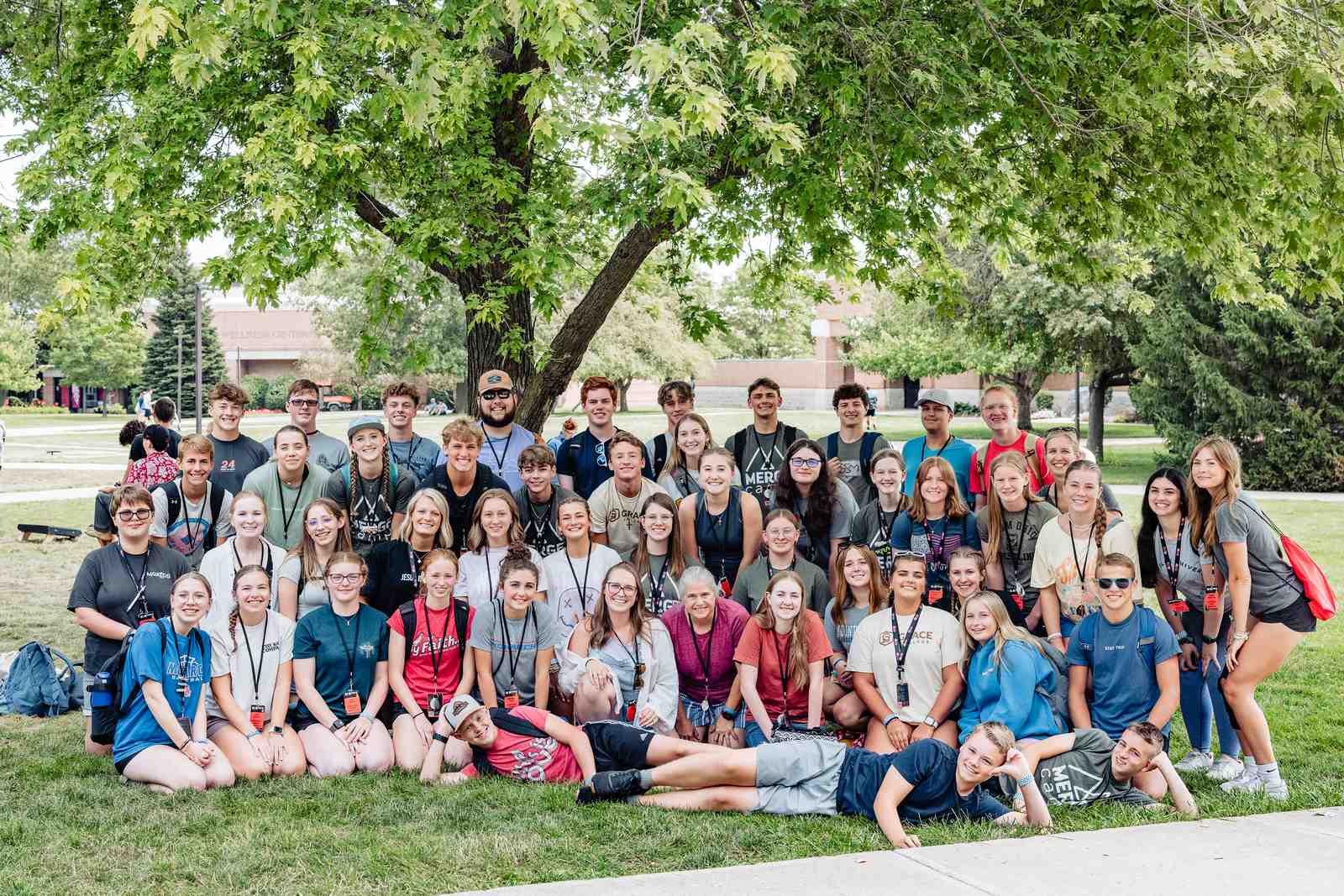
Beyond the Brochure: Unpacking the True Impact of Short-Term Christian Mission Trips
The call to “go and make disciples” (Matthew 28:19-20) resonates deeply within the Christian faith. For many, this finds expression in a short term Christian mission trip—a focused journey, typically lasting a week or two, where individuals use their skills and passions to serve others and share the Gospel. Each year, over a million Americans participate, seeking to support local churches, engage in practical service, and grow in their spiritual walk.
But what truly defines these experiences beyond the glossy brochures? This guide moves past the surface-level appeal to explore the profound reality of short-term missions. We’ll unpack how to engage in a way that fosters genuine partnership, honors local communities, and sparks lasting spiritual change for everyone involved.
I’ve seen the power of short term Christian mission trips to transform lives over my three decades in ministry. Through Momentum Ministry Partners, we are dedicated to equipping the next generation of ministry leaders, including those stepping onto the mission field.
What Are Short-Term Christian Mission Trips? A Foundation for Service
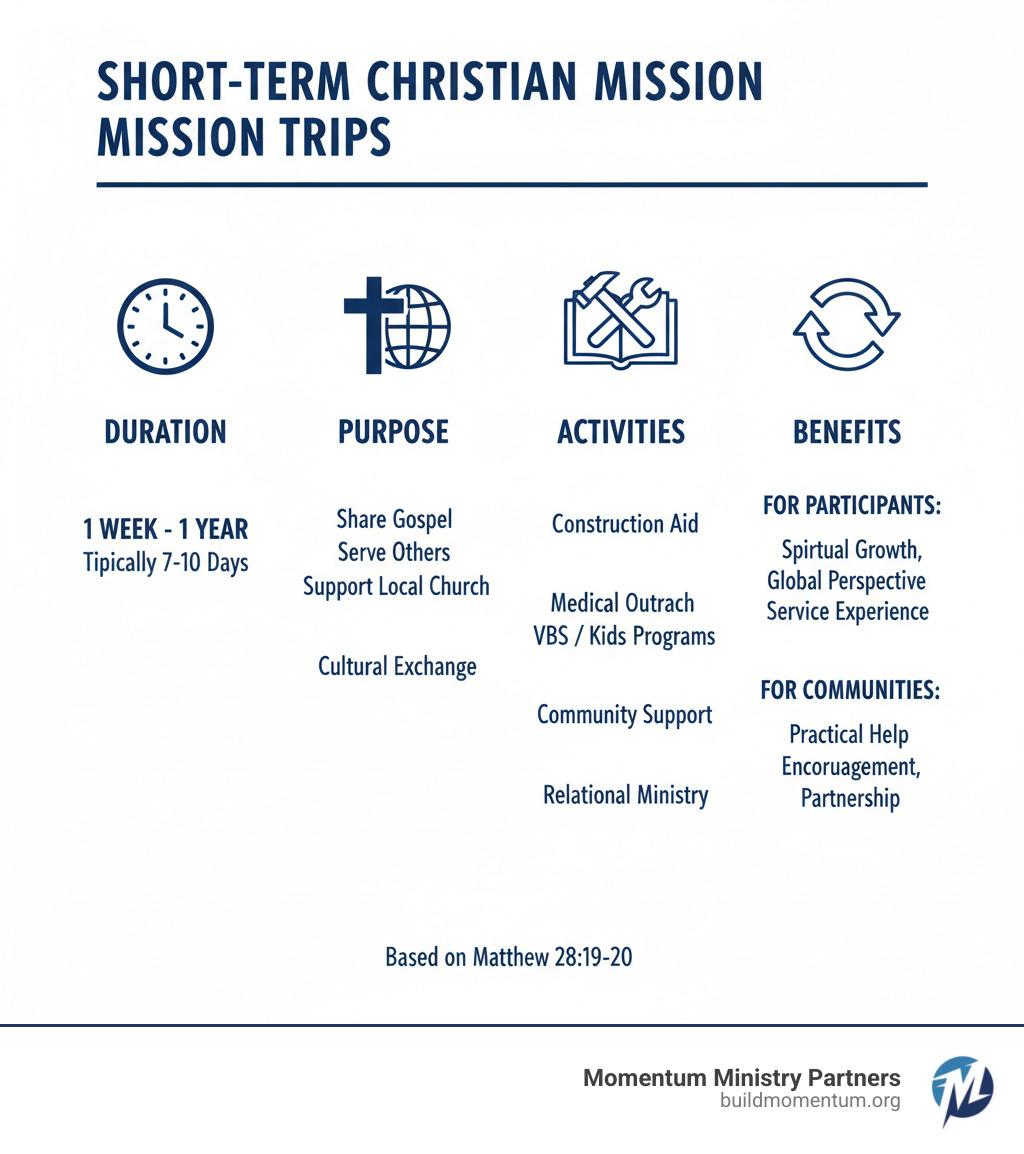
At its core, a short term Christian mission trip is a focused period of cross-cultural ministry where Christians step out of their everyday lives to serve others and share the Gospel. These journeys, typically lasting 7 to 10 days but ranging from a week to a year, are intentional engagements rooted in the Bible’s call to love God and our neighbor. They act as a powerful catalyst for spiritual growth, uniting people from all walks of life—students, adults, and families—to serve alongside long-term missionaries and local churches, making a tangible difference.
The Biblical Mandate for Missions
The motivation behind every Christian mission trip is found in the pages of the Bible. Understanding these passages is essential for anyone considering the mission field.
- The Great Commission (Matthew 28:19-20): Jesus’ ultimate command to “go and make disciples of all nations” is a direct invitation to spread the Gospel and nurture new believers.
- The Good Samaritan (Luke 10:25-37): This parable illustrates our call to love our neighbor with compassion, breaking through all social and cultural barriers to meet the needs of others.
- Serving the “Least of These” (Matthew 25:35-40): Jesus identifies Himself with those in need, showing that providing practical, humanitarian aid is a deeply spiritual act of serving Him directly.
- The Harvest is Plentiful (Matthew 9:37-38): This verse is a powerful reminder of the urgent need for more workers in God’s kingdom, serving as a call to prayer and action.
Common Types of Short-Term Mission Work
Short-term trips are incredibly diverse, utilizing a wide array of skills and passions. There is a role for everyone, whether you are a skilled professional or simply have a servant’s heart.
- Evangelism and Discipleship: Sharing testimonies, leading Bible studies, and supporting local church planting efforts.
- Construction and Maintenance: Building or repairing homes, churches, and schools to provide tangible help and demonstrate God’s love.
- VBS and Children’s Ministry: Leading songs, games, and crafts to engage children and support local families.
- Medical and Dental Clinics: Providing essential healthcare in underserved areas, opening doors for spiritual conversations.
- Humanitarian Aid and Disaster Relief: Responding to crises with practical assistance, comfort, and long-term recovery support.
- Sports and Arts Camps: Connecting with youth and building relationships in a dynamic, creative environment.
- ESL Teaching: Using English instruction as a platform for cultural exchange and building relationships to share faith.
The Heart of the Matter: Maximizing Impact and Minimizing Harm
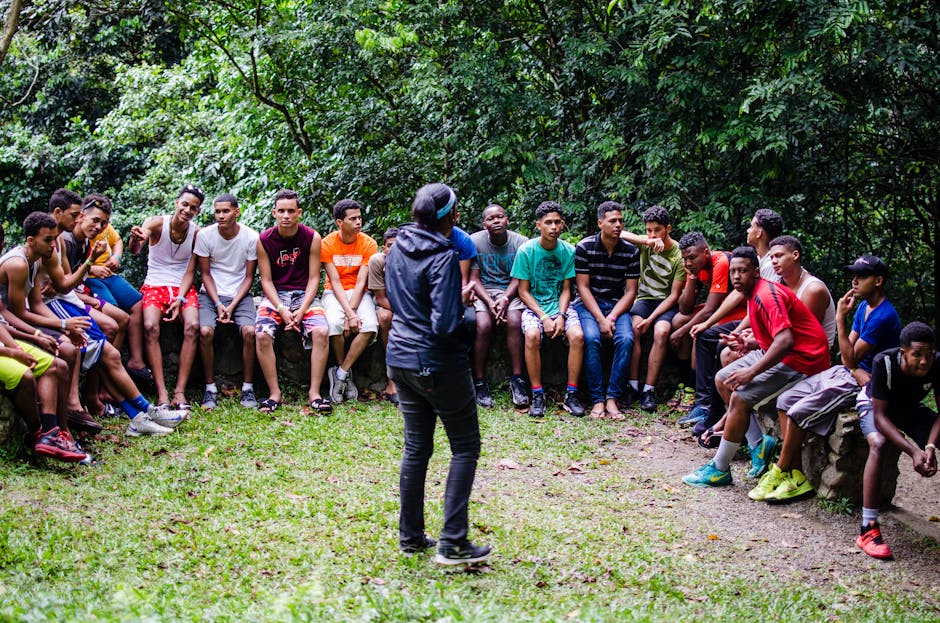
One of the most critical conversations about short term Christian mission trips is ensuring our efforts do good while avoiding unintended harm. This requires a shift in mindset from “doing for” others to “doing with” them. We must adopt the humble posture of a learner, not a savior, to build genuine partnerships and empower local churches and communities. This approach of cultural humility and ethical service is essential for contributing to sustainable, long-term change that honors everyone involved.
Best Practices for Ethical Short-Term Christian Mission Trips
To make a positive difference, it’s crucial to follow key best practices that guide us toward ethical and effective ministry.
- Adopt a Servant Leadership Model: Follow Christ’s example by putting the needs of the local community first and remaining flexible.
- Support Local Economies: Purchase goods and services from the community you are serving to strengthen their economy.
- Prioritize Relationships Over Tasks: While projects are important, building genuine connections with local people leads to the most lasting impact.
- Undergo Cultural Sensitivity Training: Pre-trip training on local customs, traditions, and communication styles is non-negotiable for showing respect.
- Ensure Financial Transparency: Reputable organizations are open about how funds are raised and spent, demonstrating good stewardship.
- Ask Thoughtful Questions: Inquire about an agency’s partnership philosophy, long-term goals, and how they measure impact.
- Adhere to Mission Standards: Many reputable organizations are accredited by bodies that uphold the Standards of Excellence in Short-Term Mission. These standards cover areas like God-centeredness, empowering partnerships, and comprehensive training, ensuring trips are responsible and impactful.
From Helper to Partner: Making a Meaningful Contribution
Transitioning from a temporary “helper” to a genuine “partner” requires intentionality and humility. It begins with learning before leading, listening to the invaluable wisdom of local leaders and long-term missionaries. Instead of assuming what is needed, ask thoughtful questions and defer to their guidance. Maintain a flexible attitude, as the mission field is unpredictable, and a willingness to adapt is crucial for effective service. Sometimes your presence is a ministry in itself—a warm smile or a listening ear can speak volumes about God’s love. Understand that your short term Christian mission trip is one part of God’s larger, ongoing story. By aligning your unique, God-given skills with a specific need, you can make a truly meaningful contribution.
Your Journey to the Field: A Practical Guide to Getting There
The journey to the mission field begins not with a packed suitcase, but with prayerful consideration. Once that spiritual foundation is laid, practical preparation ensures you are equipped to serve effectively and safely.
Finding the Right Opportunity for You
Finding the perfect fit becomes clearer when you focus on your unique calling.
- Assess your skills, passions, and spiritual gifts. Your unique attributes are valuable on the mission field.
- Research organizations and their philosophies. Find one that resonates with your understanding of Biblically sound, ethical missions.
- Align with a trip’s mission and vision. Find a focus—whether evangelism, humanitarian aid, or community development—that speaks to your heart.
- Explore domestic options. Powerful mission work happens in our own neighborhoods. Momentum Ministry Partners supports urban centers in locations like Philadelphia and Los Angeles, demonstrating that mission fields are everywhere.
Key Considerations Before You Commit
Once you’ve identified potential trips, it’s time to dig into the practicalities to make an informed decision.
- Trip Duration: Trips can range from a week to a year. Consider your availability and what you can realistically commit to.
- Location: Decide whether a domestic or international experience feels right. A local mission can be a great starting point, while an international journey offers a broader global perspective.
- Cost and Fundraising: Costs vary but typically include airfare, lodging, food, insurance, and ministry project funds. Most participants fundraise, and organizations often provide resources to help you build a prayer and financial support team.
- Team Dynamics: Understand the team’s composition, leadership structure, and the support provided on the field.
The Application and Preparation Process for Short-Term Christian Mission Trips
Once you’ve chosen a trip, the preparation process equips you physically, mentally, and spiritually for the adventure.
- Applications and Interviews: This formal process helps ensure the trip is a good fit for you and the organization.
- Building a Support Team: You’ll invite others to partner with you through prayer and financial gifts, a spiritually rewarding process in itself.
- Team Training: Mandatory sessions cover cultural nuances, safety protocols, team building, and spiritual preparation.
- Cultural and Language Basics: Learning a few key phrases and local norms shows respect and opens doors for deeper connections.
- Logistics: For international trips, start early on securing passports, visas, and necessary vaccinations, as these can take several months.
The Unseen Work: Spiritual Preparation and Lifelong Integration
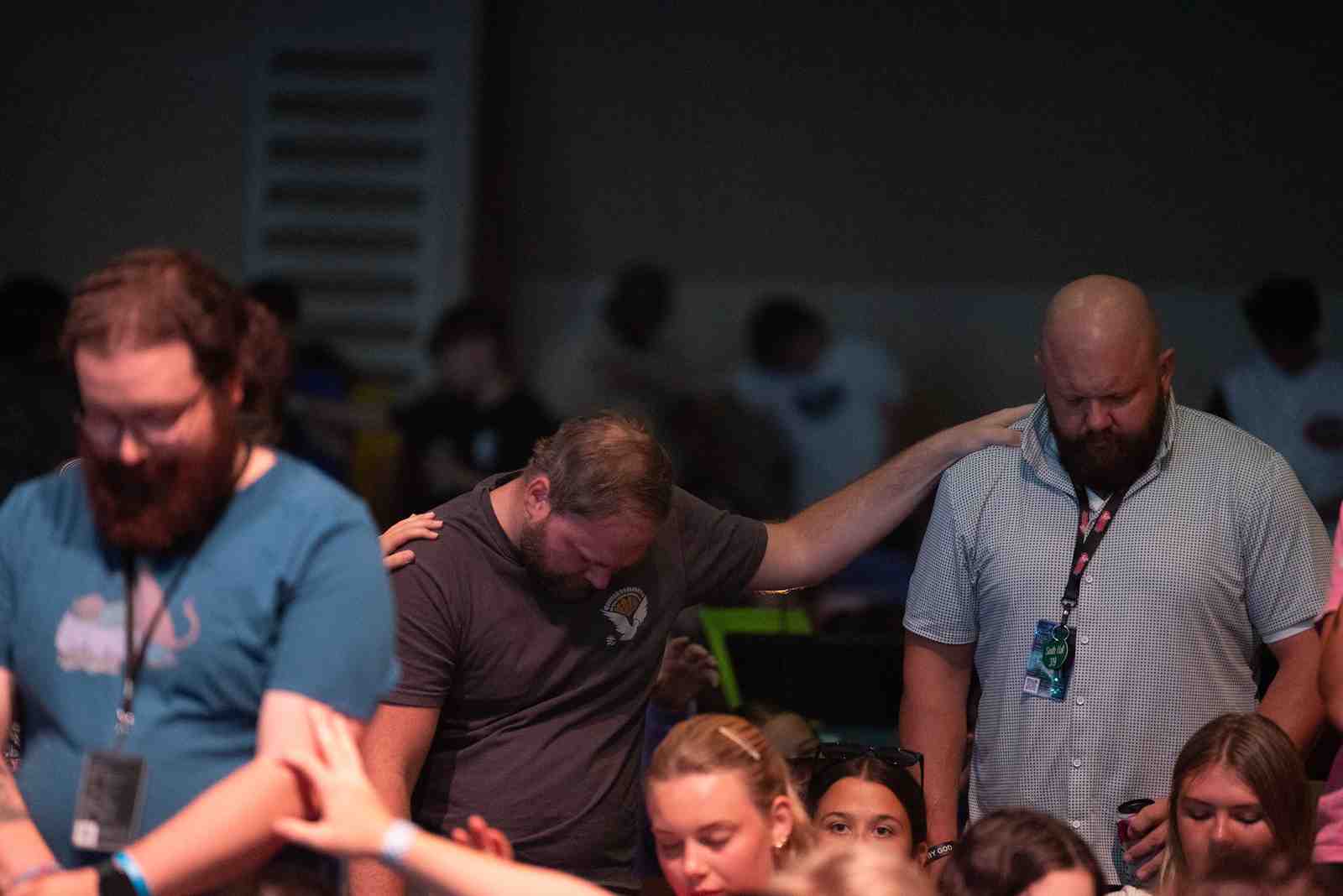
The mission field is not just a geographical location; it’s a spiritual one. A short term Christian mission trip begins in your heart long before you leave and continues long after you return. Spiritual disciplines are critical in framing the experience, ensuring it’s a transformative encounter with God and His world.
Before You Go: Preparing Your Heart Through Prayer and Study
True impact is born out of a deep relationship with God, making spiritual preparation paramount.
- Dedicate time to prayer. Pray for the community, your team, your hosts, and your own heart to be teachable and receptive.
- Study the Bible. Immerse yourself in passages on service and missions to build your faith and clarify your purpose.
- Learn about your destination. Researching the history, culture, and spiritual climate is an act of love and respect.
- Use a devotional guide. Resources designed for mission trips can help you prepare and reflect on your journey.
While You’re There: Staying Spiritually Grounded
The mission field can be exhilarating and exhausting. Maintaining spiritual grounding is key to thriving.
- Commit to daily personal devotions. This time with God is a necessity, not a luxury, providing an anchor in an unfamiliar environment.
- Participate in team worship and debriefs. Processing experiences together provides encouragement, learning, and mutual support.
- Journal your experiences. Documenting what God is teaching you helps you reflect and remember the lessons learned.
- Actively look for God at work. Train your eyes to see His hand in unexpected conversations, moments of inspiration, and answered prayers.
- Rely on the Holy Spirit. In challenging moments, lean on the Spirit for strength, guidance, and perspective.
After You Return: Continuing the Mission at Home
A mission trip is a launching pad for a transformed life. The real challenge often begins when you return home.
- Steer reverse culture shock. Be patient with yourself as you readjust; seek out teammates or mentors who understand.
- Engage in post-trip debriefing. Processing your experience with your team or church leaders is crucial for integrating lessons learned.
- Share your story responsibly. Focus on what God did and the lessons you learned, honoring the community you served.
- Stay involved through prayer and support. Your relationship with the ministry doesn’t end with the trip. Continue to pray and consider ongoing financial partnership.
- Apply missional living principles at home. Use what you’ve learned to serve sacrificially and share the Gospel in your own community.
- Continue your leadership development. Let your experience propel you into greater service and leadership in your local church.
Frequently Asked Questions about Short-Term Christian Mission Trips
Considering your first short term Christian mission trip naturally comes with questions. Here are answers to some of the most common ones.
How much do short-term mission trips typically cost?
Costs vary significantly based on location, duration, and the type of work. A domestic trip might cost a few hundred dollars, while an international journey could be several thousand. This price typically covers airfare, in-country lodging and transportation, food, travel insurance, and ministry project funds. Fundraising is a key part of the process, and it’s not just about money—it’s about building a team of prayer and financial partners to join you in the work. Most organizations provide excellent resources to help you succeed.
Can I go on a mission trip if I don’t have a specific skill like construction or medicine?
Absolutely. While skilled professionals are highly valued, the vast majority of short term Christian mission trips also need individuals with a servant’s heart, flexibility, and a willingness to build relationships. Roles like playing with children at a VBS, organizing supplies, preparing meals, or simply being present to listen and share your testimony are essential. Your availability and desire to love people are your most important assets. God has equipped you for service in unique ways.
Conclusion: The Journey Doesn’t End Here
Stepping onto a short term Christian mission trip is an invitation to profound change. When approached with prayer, humility, and a learner’s heart, these journeys become powerful acts of worship that ignite a lifelong commitment to the Great Commission.
The true impact is measured not just in what is built, but in the relationships formed, perspectives changed, and the ways God’s love is shared and received. These experiences forge lasting bonds and broaden our global understanding.
At Momentum Ministry Partners, we believe every trip is a vital step in God’s plan. We are dedicated to equipping leaders like you for this kind of life-changing, Kingdom-advancing service. That’s why we have Urban Centers in Philly and Los Angeles. Your journey is about embracing a calling that extends far beyond a single trip, inspiring you to live a missional life wherever you are.
Are you ready to find how you can be a part of God’s incredible work around the world? We invite you to explore the possibilities. Discover Urban Centers and how you can get involved.






0 Comments